Turkey is one of the most popular destinations for vacations, and it's no surprise. The country is famous for its diverse climate (Mediterranean, Aegean, Black Sea, and continental), which makes it possible to travel here practically all year round. However, the choice of season can significantly affect the cost of tours, the atmosphere at the resorts, and the weather conditions.
In this article, we will break down the best time to visit Turkey, what factors to consider when planning your trip, and take a detailed look at the weather characteristics of each season. In conclusion, you will find a comparative analysis of the main regions — from the Mediterranean to the Black Sea coast and inland areas.
Tours to TurkeySeasonal Breakdown: When to Go to Turkey
Based on the seasonal breakdown of Turkey and the comparison of regions, you can easily find your ideal time for a trip and get the most out of your vacation!
Spring (March, April, May)
In spring, the weather in Turkey changes rapidly from cool to comfortable. In March, there can still be rainy and cool days (around +12…+18 °C), especially in the northern and inland regions. In April, it already gets warmer, with daytime temperatures reaching +20…+22 °C, and Istanbul hosts the famous Tulip Festival at this time. May is a wonderful month: the air warms up to +25 °C, and the first sea swimming becomes possible in the southern regions.
Why you should go in spring:
- Pros: fewer tourists, comfortable weather for sightseeing (e.g., Cappadocia, Istanbul), more affordable hotel prices.
- Cons: the sea in early spring is still quite cool for a full-fledged beach holiday, and nights can be chilly.

By the end of May, the water on the Mediterranean coast (Antalya, Side, Kemer) warms up to +20…+22 °C, which is already suitable for most swimming enthusiasts. Hotels are starting to prepare for the summer influx of guests, so the infrastructure is operating at full capacity, and prices are often lower than in July-August.
Summer (June, July, August)
Summer in Turkey is a time of hot sun, when daytime temperatures reach +28…+35 °C (and even higher in some places). The sea warms up to +24…+28 °C, making conditions for beach holidays ideal.
- Pros: the sea is warm, you can engage in water sports (diving, surfing), vibrant nightlife in resort towns (e.g., Marmaris, Antalya).
- Cons: during the peak season, there can be scorching heat, and prices for flights and hotels increase. Moreover, resorts are overcrowded, which not every tourist enjoys.
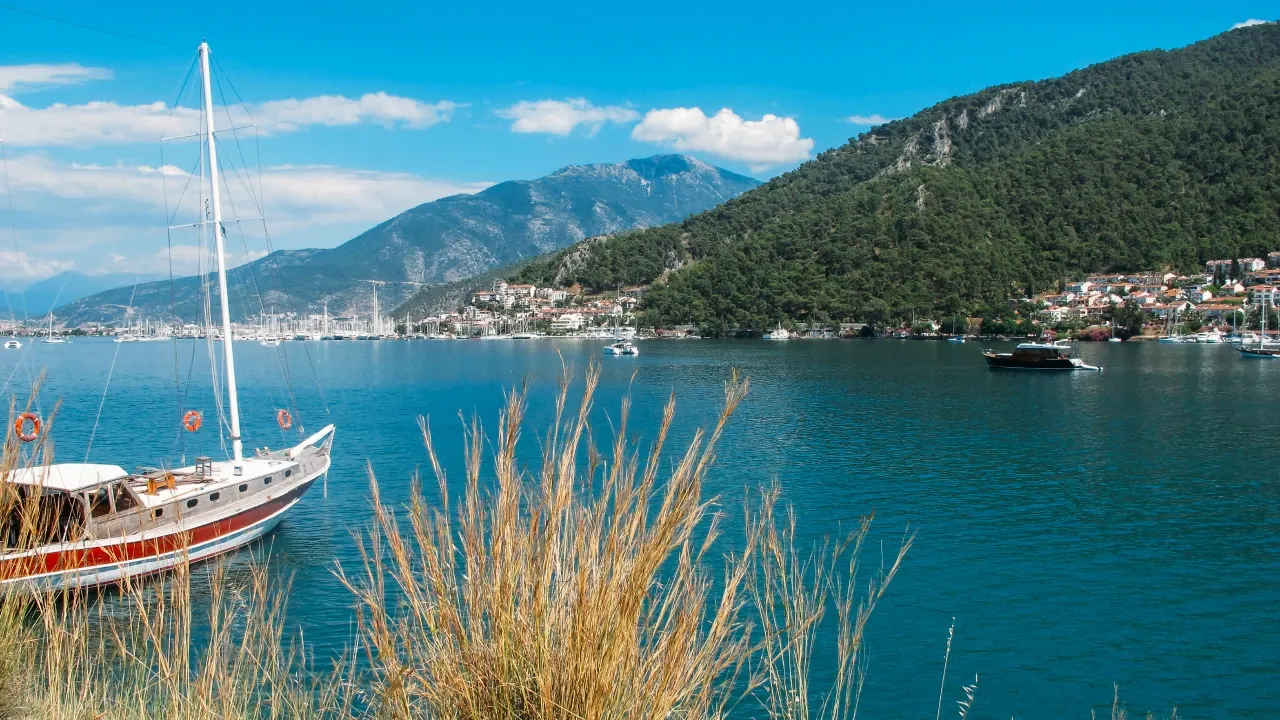
For those dreaming of the perfect beach holiday in Turkey, summer is the undeniable choice. The waters of the Mediterranean and Aegean Seas are especially warm and calm. Hotels offer a wide selection of all-inclusive packages, with all types of animation and entertainment available. If you can handle the heat easily, July and August will be a true paradise for sunbathers.
Autumn (September, October, November)
Autumn in Turkey welcomes guests with the velvet season (early September to mid-October). The air cools to a pleasant +23…+28 °C, and the sea retains the warmth accumulated over the summer.
- Pros: fewer tourists, a more relaxed atmosphere on the beaches, prices start to drop. An excellent time for sightseeing tourism — not too hot, you can see historical monuments.
- Cons: towards the end of October, rains may become more frequent, and the entertainment infrastructure gradually winds down for the winter season.
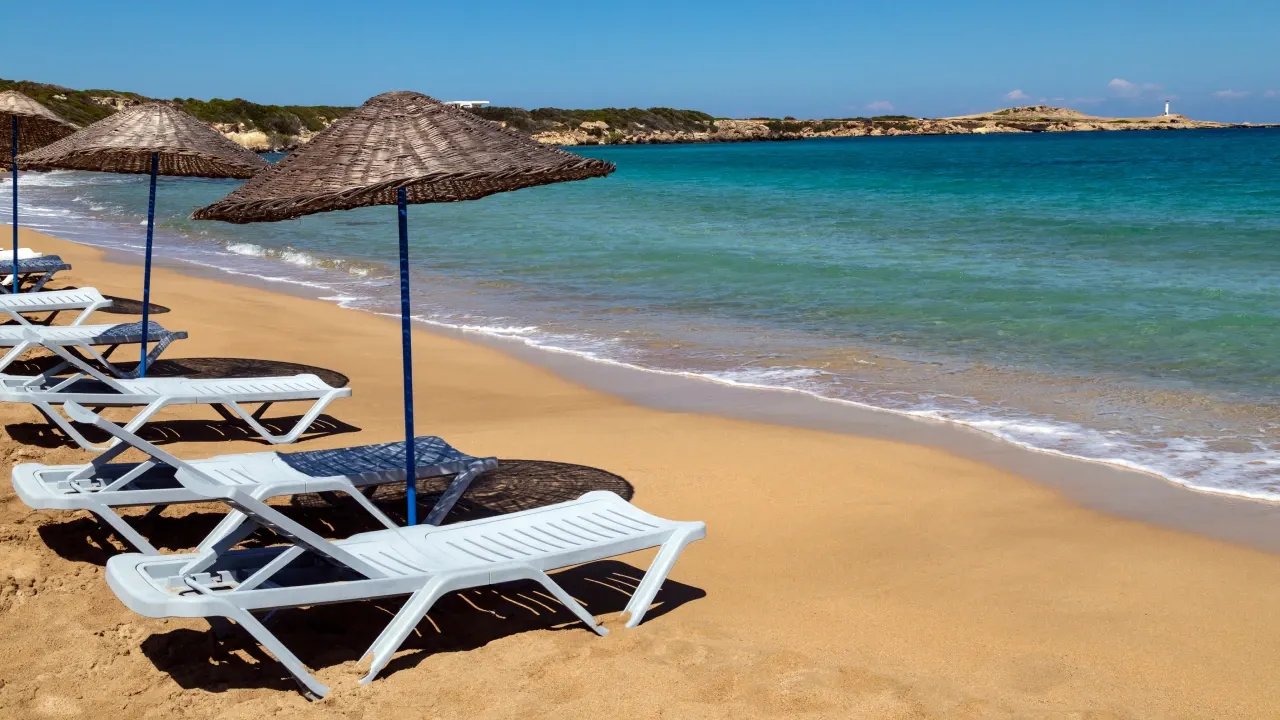
In September and early October, the sea on the Mediterranean and Aegean coasts can be +25…+27 °C, which is perfect for swimming. Resorts (Kuşadası, Bodrum, Fethiye) are still lively but without the summer hustle and bustle. By November, beach activity decreases, and the weather becomes more changeable.
Winter (December, January, February)
In winter, Turkey is cool, especially in the inland areas. Average temperatures can range from +8…+15 °C on the coasts to sub-zero readings in the mountains. The sea is cold for swimming (around +15…+18 °C), although some hotels offer heated pools.
- Pros: low prices, no crowds, ski holidays (e.g., Uludağ, Palandöken), cultural trips (Istanbul, Ankara).
- Cons: limited opportunities for classic beach holidays, possible rain and snowfall in different parts of the country.

Full-fledged swimming in the open sea in winter is a rarity even on the southern coast. However, major resorts often feature all-inclusive hotels with indoor or heated pools and spa complexes. If the sea is not your primary goal, winter Turkey will surprise you with its tranquility, romance, and pleasant prices.
Comparison of Turkish regions by weather
Depending on the chosen season, certain regions of Turkey can become your ideal destination. Let's explore their features:
Mediterranean Coast (Antalya, Belek, Kemer, Side)
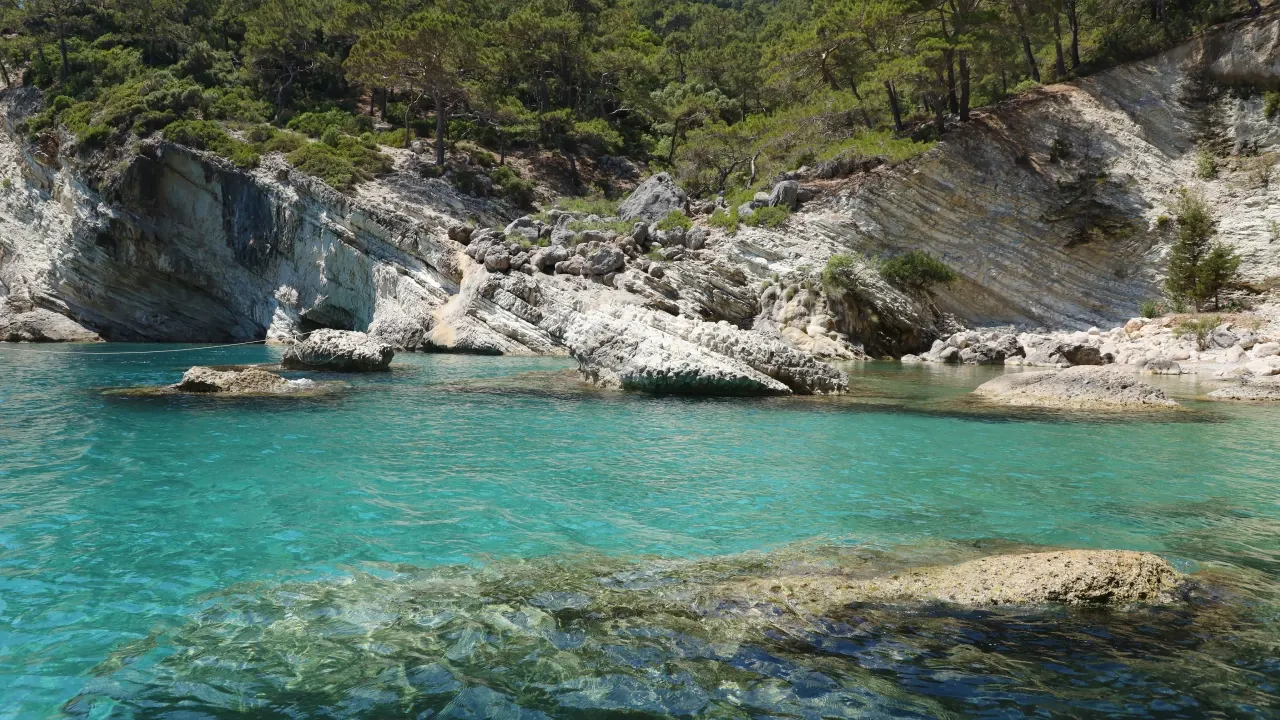
Climate: hot summer, mild autumn and spring. Warm sea lasts from May to October, with peak water temperature in July – August.
Holiday features: ideal for swimming and sunbathing, hotels with huge water parks, vibrant nightlife, extensive entertainment programs, sights.
Note: during the peak season (July – August) there are many tourists and prices are high. Spring and autumn offer cheaper holidays.
Aegean Coast (Bodrum, Marmaris, Kuşadası)

Climate: similar to the Mediterranean, but slightly cooler due to winds. Summer is hot (+28…+33 °C), the sea warms up well.
Holiday features: a combination of romantic atmosphere (especially in Bodrum and Kuşadası) with nightclubs and a rich restaurant scene (Marmaris).
Note: even during the hottest time, evenings here are fresh, making the holiday more comfortable than in Antalya.
Black Sea Coast (Sinop, Trabzon)
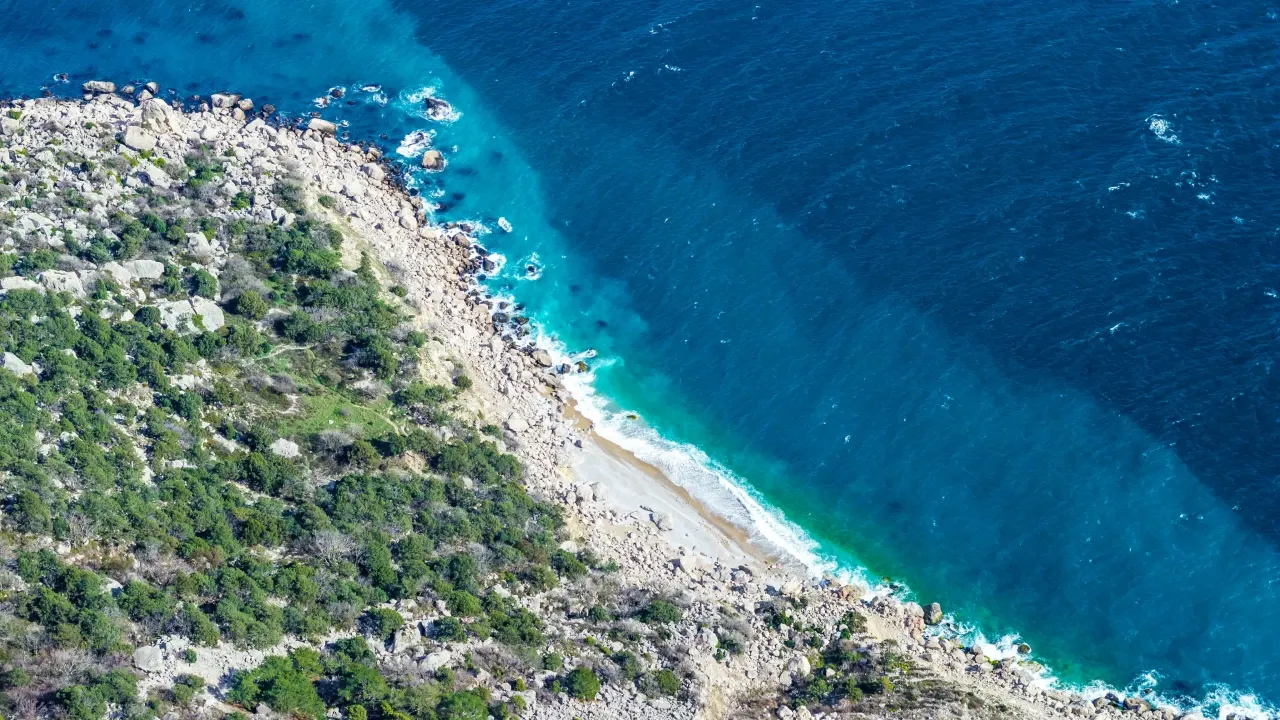
Climate: mild and cooler summer, more precipitation than in the south.
Holiday features: suitable for active tourism, hiking, camping, fishing. The beaches here are less crowded, but the sea is noticeably colder.
Note: the region is famous for its greenery and mountain landscapes, but for classic beach holidays, July – August is better.
Inland Regions and Cities (Istanbul, Ankara, Cappadocia)

Climate: continental, with more pronounced seasonal fluctuations. Winters can be snowy, and in summer temperatures rise to +30 °C.
Holiday features: cultural and historical tourism (Istanbul, Ankara), incredible landscapes of Cappadocia (hot air balloon flights). The optimal time is spring and autumn, when there is no extreme heat or cold.
Note: in winter, you can experience the unique atmosphere in Istanbul, and in Cappadocia — magical snow-covered valleys.
Conclusion
When choosing the best time to visit Turkey, it's important to consider the season, weather conditions, type of holiday, desired region, and prices.
- Fans of beach holidays and warm sea should choose summer or the shoulder season (September, early October) on the Mediterranean or Aegean coast.
- For calm sightseeing trips, spring and autumn are excellent.
- In winter, Turkey becomes a destination for ski activities and cultural tourism — fewer tourists, affordable prices, and hotels with pools still operate on the coast.